After an intense year of collective effort and learning, we welcome 2026 with energy and commitment
Throughout 2025, we supported more than 435 organisations and allocated over €3 million, enabling a direct impact on more than 135,000 people.
In 2026, we will continue from the very essence that keeps the Foundation alive: active listening, accompaniment and network-based work rooted in local action with a global outlook.
30 December 2025 – As could not be otherwise, 2025 was marked by the DANA of 29 October 2024. A catastrophe that fully and directly affected l’Horta Sud, as well as other Valencian regions, and whose recovery will shape the coming years of our territory. This year has been defined by action between emergency response—during the first months—and social development, a process in which we are still immersed and which will extend over time. Recovering from a wound like the one we are currently facing requires rebuilding physical infrastructures, but also emotional ones. These bonds are the most complex to (re)weave and require the community. They cannot be addressed individually, and it is here that the associative fabric plays a key role.
As happened during the COVID-19 pandemic, associations were the fastest and most effective in organising the emergency response. But also beyond the emergency: in recovery and subsequent development. From their everyday work—carried out for the common good, often anonymously—they have continued to articulate responses for the territory, adapting them to the new reality and to emerging community needs.
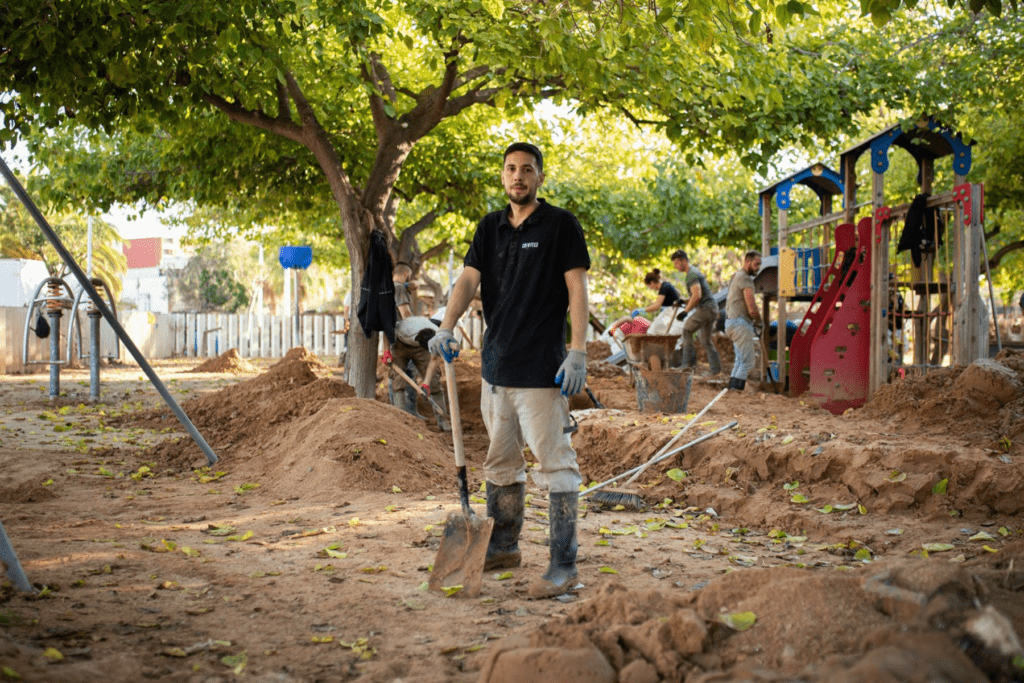
A clear example of this are environmental and territorial defence associations, which have led clean-up and recovery actions in affected areas—especially the huerta and the Albufera—while also advocating for responsible reconstruction criteria and continuing to denounce urban development proposals that disregard environmental preservation and ignore the climate emergency. At the same time, they have continued generating shared knowledge and reflection. Spaces such as the University of Summer of l’Horta have made it possible to address misinformation and fake news surrounding the DANA, to understand the territory through a rigorous lens and to deepen understanding of the impact of climate change. Other organisations such as Del Camp a la Taula or Agró have also joined this educational work, strengthening community resilience and prevention capacity in the face of future emergencies.
Organisations working with people with disabilities and older people—such as APAMI or ALDIS—have focused their efforts on restoring routines and services, a key issue after the DANA. Through summer schools, leisure activities, ongoing support and community initiatives, they have worked to guarantee the autonomy and well-being of users in an especially difficult context, both materially and emotionally. At the same time, the Xarxa Comunitària de Paiporta, an organisation of older people, has promoted intergenerational activities as part of its strategy to rebuild the social fabric. These gatherings have brought together older people and young people in spaces for dialogue, memory and coexistence, highlighting the exchange of knowledge and experiences as a tool for community care. Actions such as these have helped combat unwanted loneliness, strengthen social bonds and demonstrate that intergenerational connection is essential to move towards a more cohesive, active and resilient community.
In the field of sport, clubs across the region have remained active and committed to the community, offering spaces to maintain healthy leisure activities and a vibrant associative life despite the difficulties. Initiatives such as those led by the Club Taulains of Alfafar, which promotes open sports activities for the local community; the Club Esportiu Handbol Paiporta, which collaborates with the Cases de Joventut to train youth leisure monitors; or karate and martial arts clubs that have organised an educational and inclusive festival, are just some examples of the work that keeps l’Horta Sud moving.
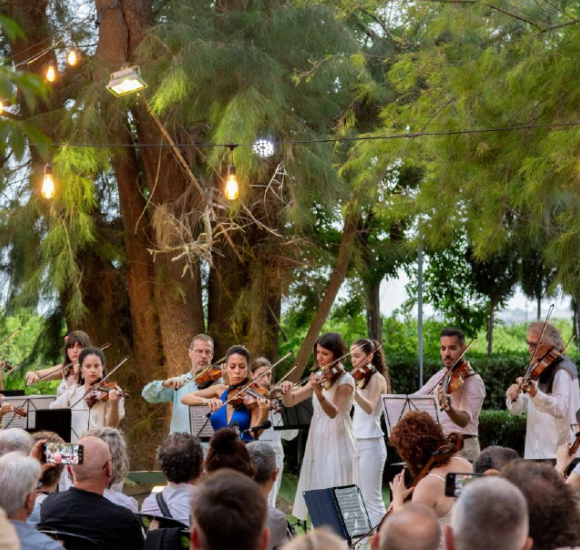
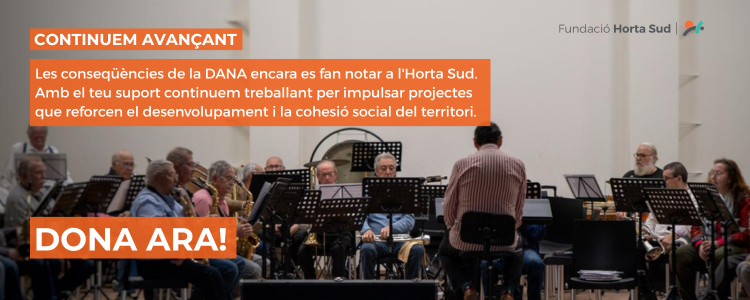
Music has not stopped either. A clear example of perseverance and collective commitment is the Banda de Majors de l’Horta Sud, which continues rehearsing thanks to the hospitality of the band of Xirivella, while its headquarters —the Casa de la Música of Aldaia— remains unusable due to the consequences of the DANA. This mutual support has made it possible for their musical and social project to continue thriving.
We cannot forget the fallas either, a collective that was severely affected and that, from the very first moment, threw itself into mobilisation and solidarity efforts, alongside other cultural organisations. They have kept cultural and community activity alive through workshops, music, shared spaces and tradition within each casal, generating mutual support and strengthening neighbourhood ties. Alongside them, many other organisations —youth, educational, cultural and leisure-related— have remained active, adapting and seeking alternatives so that associative life would not come to a halt.
All of these organisations, and many more, have been accompanied and supported by the Foundation. Our action has focused on responding to the emergency and laying the foundations for recovery. And we have done so as we always do: through active listening, closeness and horizontal collaboration, working with them to strengthen their capacity for action.
Specifically, throughout 2025, we supported more than 435 organisations and allocated over €3 million, making it possible to generate a direct impact on more than 135,000 people. Full information can be consulted in “Quan la comunitat sosté”, a publication that brings together the Foundation’s action over the course of a full year since the DANA.
With regard to financial resources, these were channelled in different ways in order to respond to the needs of each moment. Firstly, through direct grants to repair premises and resume associative activity. In this emergency context, the objectives were twofold: that no association would be forced to close and that all of them could resume their activity as soon as possible. To make this possible, we allocated nearly €1.5 million. In this first phase, and in order to meet the objectives set, we established equality criteria based on losses, covering up to 20% of losses with a maximum contribution of €20,000 per organisation. We also promoted specific initiatives within this first phase, such as matchfunding or Agermanem-nos, to support fallas committees—one of the most affected associative sectors—helping them recover infrastructure and materials while continuing to reinforce their role as centres of solidarity and community dynamisation.
At the same time, and as a result of active listening, we were able to respond to some of the main in-kind needs of the associative movement. The most significant example, thanks to the collaboration of companies such as Hiberus and Capgemini, was the distribution of laptop computers to more than 350 associations. This action enabled many organisations to resume their activity and, at the same time, contributed to reducing precariousness within the associative movement by providing one computer per organisation and preventing the need to use the personal equipment of one of the association’s members for day-to-day administrative tasks.
Once infrastructures had been restored and the most urgent needs covered, it became possible to look to the future and promote projects that strengthen the social fabric of the region. Through the call Transformem en Xarxa —promoted by Caixa Popular, Grupo Ugarte Automoción, Florida Universitària, Fundación Telefónica, Lacomunicación and Comelsa-Milar— 69 projects promoted by more than 200 organisations in the fields of welfare, education, culture, sport and the environment have helped restore community energy after the DANA.
In the ongoing adaptation to the needs identified by the community itself, three initiatives stand out: Projecte Benestar, Salvem les Fotos and the Espai Comunitari.
The Projecte Benestar, carried out in partnership with the Vicente Ferrer Foundation, promotes the empowerment of organisations of older people and other vulnerable groups through individualised accompaniment. These more than 20 organisations receive support in document management, digital training and emotional accompaniment, with the aim of reducing the digital divide and strengthening the well-being of beneficiaries. It is important to note the increase in vulnerability, particularly in digital matters, as many organisations lost all their documentation, membership records and statutes during the DANA, and relations with public administration and services must now be carried out online.
Another key element in social recovery is the restoration of family memories—memories that also constitute collective heritage. These are the photographs that, within the project Salvem les Fotos, are being recovered in different laboratories. The initiative, promoted by the University of Valencia and involving various organisations, has one of its laboratories located at the Museu Comarcal de l’Horta Sud. This laboratory operates with the support of the Foundation, which—thanks to collective contributions—has been able to hire six people to carry out the photographic recovery work. In addition, we also manage volunteer coordination and other administrative aspects to ensure the day-to-day operation of the laboratory. It should be noted that the laboratory located at the Museum is currently working on the recovery of photographs affected by the DANA belonging to more than 460 families—over 400,000 images. The Museum also hosts the exhibition “Memory and Resilience. Photography as a Testimony of Life”.
With an open взгляд towards the future we want to build, we find the impulse of the Espai Comunitari. A project launched in collaboration with the Princess of Girona Foundation, which already counts on the support of several foundations and organisations, and which will transform a building of nearly 800 m2 located in the heart of Camí Reial into a reference point for the dynamisation of the region and the coordination of networks in everyday life. The space will also be prepared to respond to potential future emergencies.
All of this work has been made possible thanks to more than 17,000 donors, including foundations, organisations, companies and individual contributors. And it has been achieved through community philanthropy—the kind that brings together the efforts of all parts of society, in which anyone can take part, regardless of whether they are able to contribute a large amount of resources or a smaller one. Through this approach, we have been able to ensure that no organisation has closed and that all have been able to resume their activity, while also amplifying and giving visibility to the situation and future prospects of l’Horta Sud in different forums. These include meetings organised by the European Climate Pact, Valencian public universities or Greenpeace.
Looking ahead to 2026, however, the challenge remains. The three main initiatives launched in response to the DANA—the Espai Comunitari, Salvem les Fotos and Projecte Benestar—are ongoing and represent the main challenges ahead: completing the renovation works of the Espai and starting its activities, recovering the more than 400,000 photographs still pending at the Museum, and empowering the organisations involved in Projecte Benestar so that they can carry out their activities autonomously.
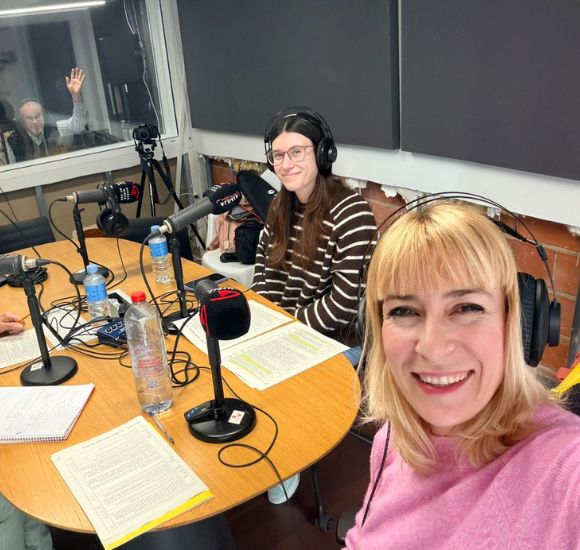
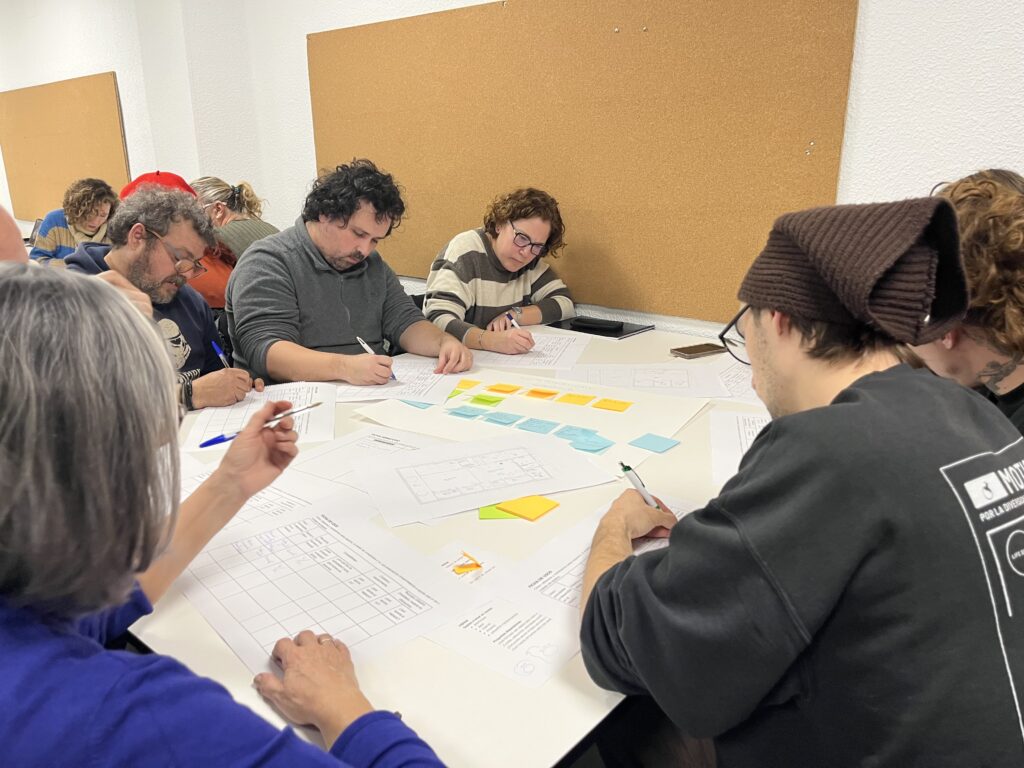
Support for Transformem en Xarxa projects will also continue in 2026. The call is already open and endowed with €200,000, thanks to the joint contribution of major foundations, companies and organisations. All of this goes hand in hand with the ongoing day-to-day work—less visible during the period of the DANA, but continuously present and more important than ever: tailored accompaniment and training for associations; shared reflection through Revista Papers or the Community Art Group; joint reflection and strategic planning for the future of the region through Serà Horta Sud 2030; active participation in the network of community foundations promoted by the Spanish Association of Foundations; and participation in civil society forums and debates, among others.
In addition, this year we received recognitions that highlight the value of community-based work and that, from the Foundation, we can only extend to all the organisations in the territory and to the more than 17,000 people who are part of the Foundation. Among these recognitions are the 24th Sant Jordi Award, granted by the Scout Sant Jordi Foundation for its work supporting the associative movement; the Social Innovation Mention awarded by the CapGemini Foundation; the Award for the Social Use of Language from the FULL Foundation; and the Special Mention for Territorial Co-responsibility 2025 awarded by the Pactem Nord Consortium.
From the Foundation’s team, we bid farewell to 2025 with gratitude to all individuals and organisations who—both within and beyond the affected territory—have made this recovery and development possible. Looking ahead to 2026, we will continue to work from the very essence that has kept the Foundation alive for more than fifty years: active listening, accompaniment and network-based collaboration rooted in local action with a global outlook. Ultimately, we work to strengthen the community of the territory through community action, involving all people and stakeholders, regardless of their material capacity. We count on you to face the challenges of 2026 together!
Other news of interest
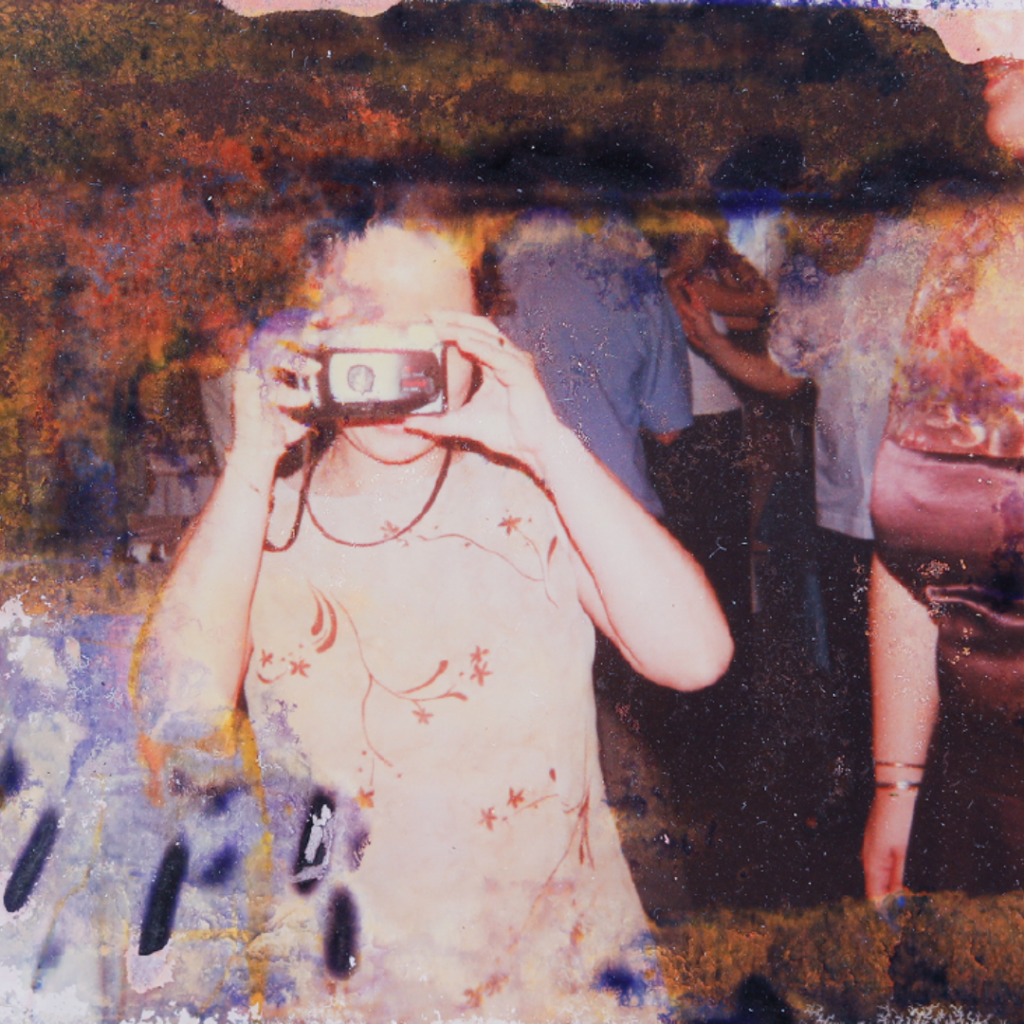
Join the ‘Salvem las Fotos’ volunteer initiative to help preserve the collective memory and heritage of l’Horta Sur
[…]