The role of civil society in recovery, at the meeting of European Climate Pact Ambassadors
At the meeting, held in Paiporta on Friday, March 21, the Foundation took part to explain the keys to social reconstruction
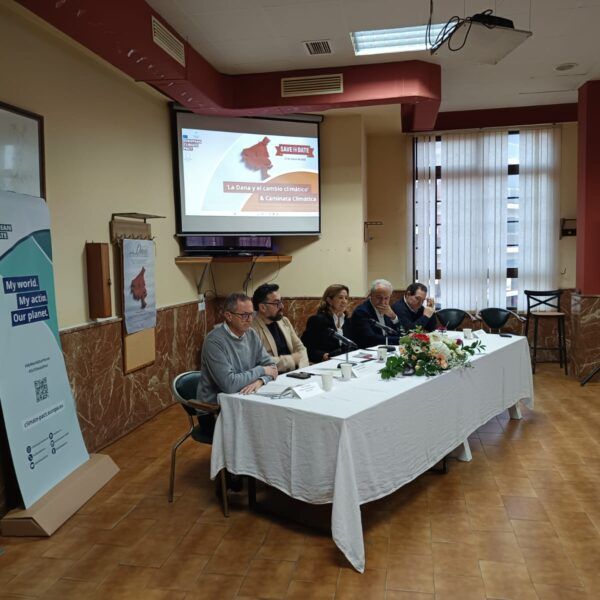
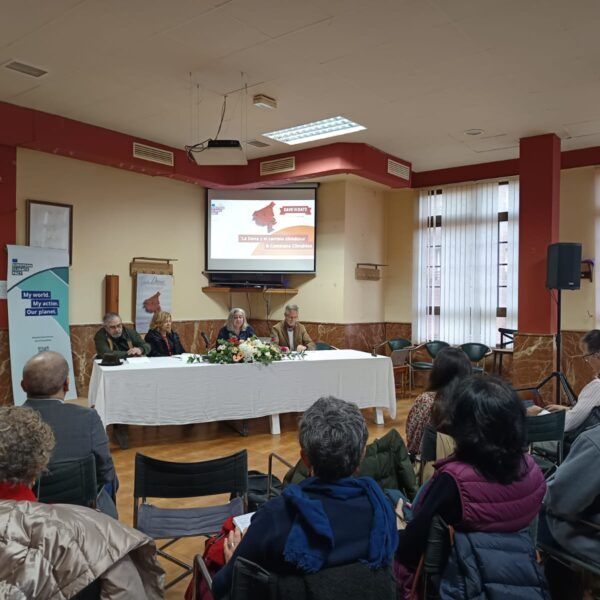
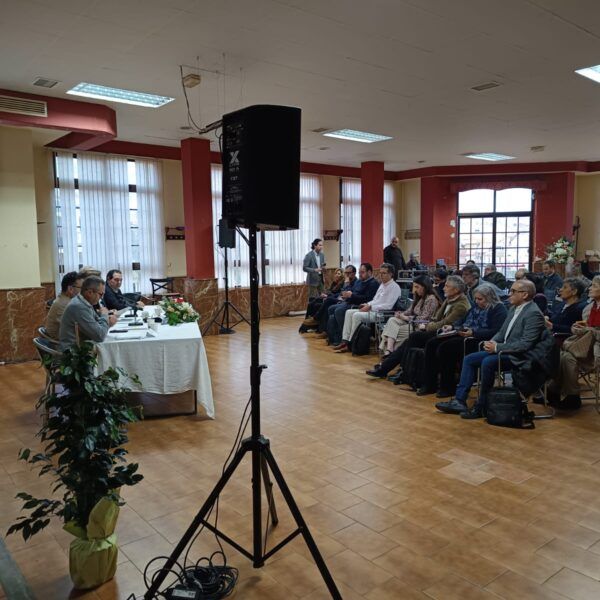
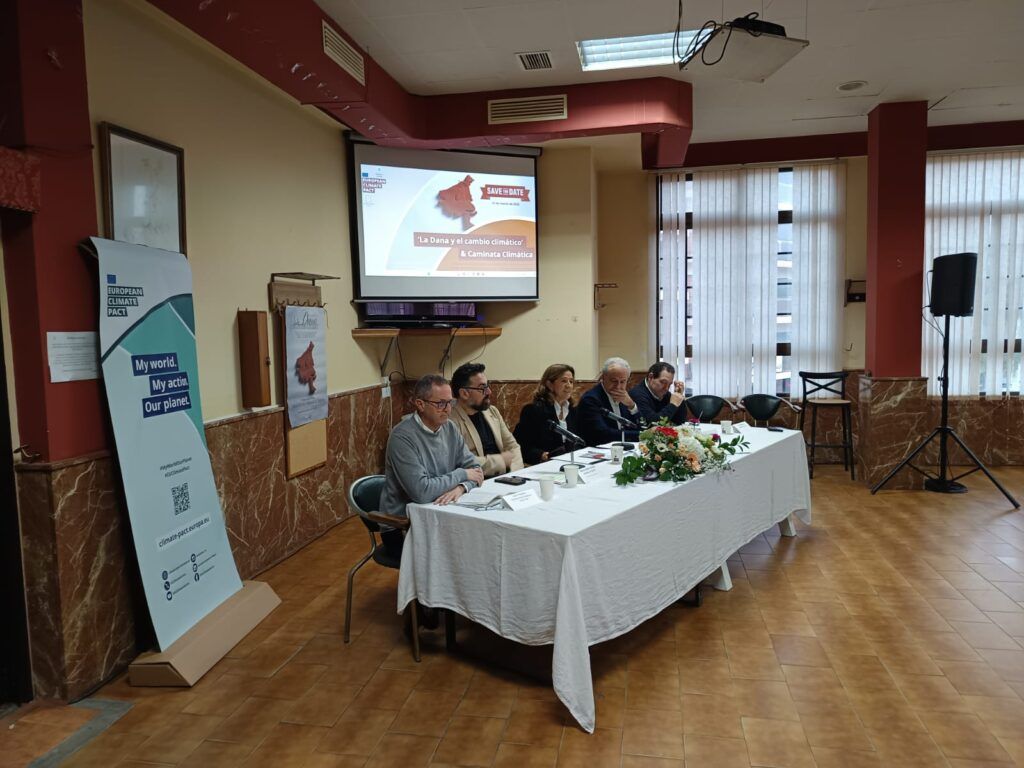
March 25, 2025 – The Casino of Paiporta was a key location during the emergency in l’Horta Sud after the DANA. Various associations were hosted there, such as the Agrupació Cultural i Esportiva dels Bombers de Barcelona (ACE), and it became a food distribution point for World Central Kitchen (WCK). It was also a meeting and shelter space for thousands of volunteers from all over. Now, almost five months after the DANA, the Casino is undergoing renovations to once again become a hub for the town’s social life. This was explained by Luis Ródenas, president of the Ateneo Cultural y Recreativo de Paiporta (El Casino), who was present at the opening of the European Climate Pact Ambassadors meeting.
Also in attendance were Carmen Marqués Ruiz, European Climate Pact Ambassador; Ricardo Gabaldón, Mayor of Utiel; Óscar Pellicer, Councilor for Ecological Transition and Environment of Paiporta; Maribel Albalat, Mayor of Paiporta; and Julio Huerta, Director of the Fundació Horta Sud and also an Ambassador of the European Pact.
During the opening of the event, key issues were already highlighted, such as the importance of political and social coordination—not only to prevent future catastrophes but also to drive recovery efforts that consider all residents of the municipalities. In the same vein, the Foundation’s Director, Julio Huerta, stated that “it is essential to simplify bureaucracy for social organizations, individuals, and small businesses in the current context,” and that “it is necessary to ensure that the recovery process happens from the bottom up, so that policies respond to real needs and lived experiences.”
Another word that was often repeated at the start of the event was science, and especially “the importance of putting science at the forefront.” Science which, however, “must always walk hand in hand with civil society, engage with it, and include it.” This was even more evident during the panel of scientists and experts, which featured Fernando Valladares, CSIC researcher; Ana Camarasa, geographer from the University of Valencia; and Enrique Cifres, vice president of ICOLD, the International Commission on Large Dams. They all emphasized the importance of making science appealing to the public so they can stay well informed and, most importantly, understand the current state of the climate crisis.
The role of civil society
After the panel with scientists, it was time for the one focused on civil society. Moderated by Jesús Martínez, president of Fundación Sustenta, it featured José A. Bas Morales, principal of IES Salvador Gadea in Aldaia; Fernando Pérez Adalid, fire sergeant; Verónica March, journalist from Paiporta and fallera from Falla Cervantes; and Aleix Pujol, communications lead at the Fundació Horta Sud.
This panel brought to light the experiences during the DANA from the perspectives of education, emergency essential services, and the associative movement. It highlighted the crucial role civil society played during the emergency phase: “as soon as homes were cleaned up, Fallas community centers stepped up to help the rest of the town”—all “without forgetting the bridge of solidarity and the flood of volunteers from across the region who came to help.”
One reflection shared during the panel was “the confirmation that young people, despite being stigmatized, were present at the most crucial moments,” which should encourage us to adapt to the new ways young people get involved—because “it’s not that they’re not there, but rather that we often fail to engage with them.”
The panel concluded by emphasizing the need to strengthen organizations as a key driver of transformation: “although individual help was very important, it was the organizations that were able to organize, channel, and distribute both material resources and volunteer coordination.” They also highlighted that they did so “with a panoramic perspective that prioritized the needs of the neighborhood or town.”
Ambassadors meeting and climate walk
The morning session concluded with a panel of eight climate ambassadors from across Spain, focusing on the link between the DANA and climate change. One of the most important ideas discussed was the need to reassess our lifestyle—centered around hyper-anthropogenic spaces—and the need to work along two parallel lines: mitigation of climate change effects and adaptation to them, since “as has been more than proven, climate change is already a reality and not just a possible future.”
In the afternoon, the event continued with a climate walk organized by ambassador Natascha Wahlberg Macias, in collaboration with local ambassadors and local leaders.
Other news of interest
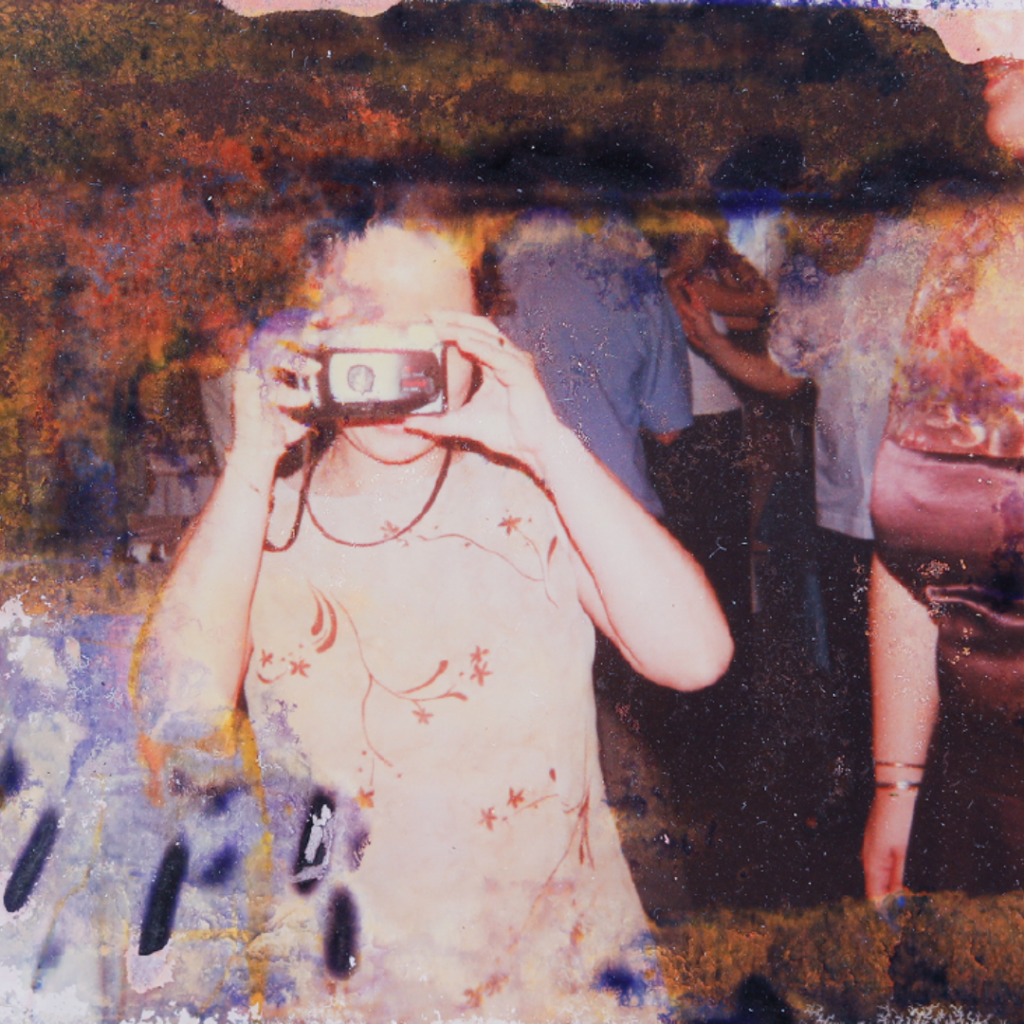
Join the ‘Salvem las Fotos’ volunteer initiative to help preserve the collective memory and heritage of l’Horta Sur
[…]