Representatives from eight European countries visit the Foundation to learn about the citizen participation model
The visit is part of the European URBACT project, which promotes cooperation networks to foster more participatory, inclusive, and sustainable local governance, and has been organized by the Quart de Poblet City Council
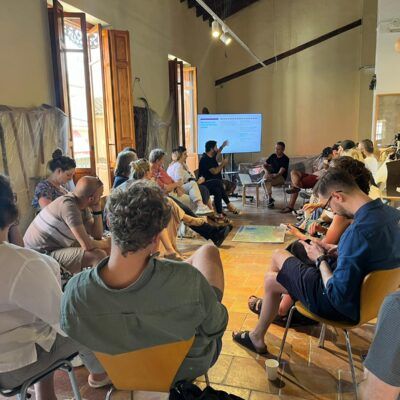
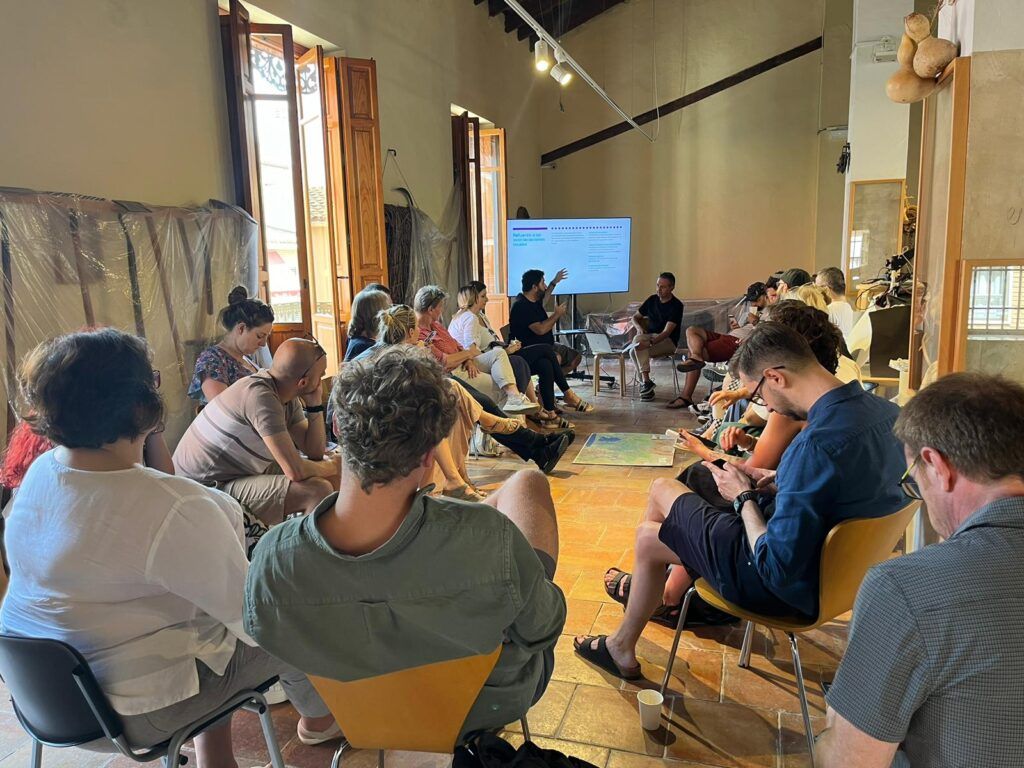
June 13, 2025 – As part of the meeting of the Network of Coexistence and Open Government Agents (AoCE), driven by the European URBACT program and hosted by the Quart de Poblet City Council this week, we received a visit from a European delegation composed of professionals linked to citizen participation and local governance, whether as technical staff or elected officials. The aim of the meeting was to learn firsthand about the work carried out by the Foundation in strengthening the associative fabric and local participation models, with the goal of moving toward a truly effective co-governance model.
Julio Huerta, director of the Foundation, shared with attendees the experience accumulated over more than 50 years in promoting participatory democracy and social capital in the region. During the meeting, Huerta emphasized the need to “try different approaches to participation processes, because they are not working right now. The challenges of the future are already present, and they must be faced hand in hand with the citizens, not in a top-down way.” In this regard, he stressed the importance of “allocating more resources to organized civil society so it can play an active role in transforming the territory.”
The visit is part of the activities organized by Quart de Poblet, the host municipality of the main meeting of the AoCE Network, an alliance made up of nine European cities: Genk (Belgium), which leads the project, Aarhus (Denmark), Banská Bystrica (Slovakia), Breda (Netherlands), Budaörs (Hungary), Gdansk (Poland), Kekava (Latvia), the Metropolitan Association of Iasi (Romania), and the host of this meeting, Quart de Poblet. This network aims to promote inclusive and sustainable public policies through the exchange of good practices, innovative methodologies, and shared experiences.
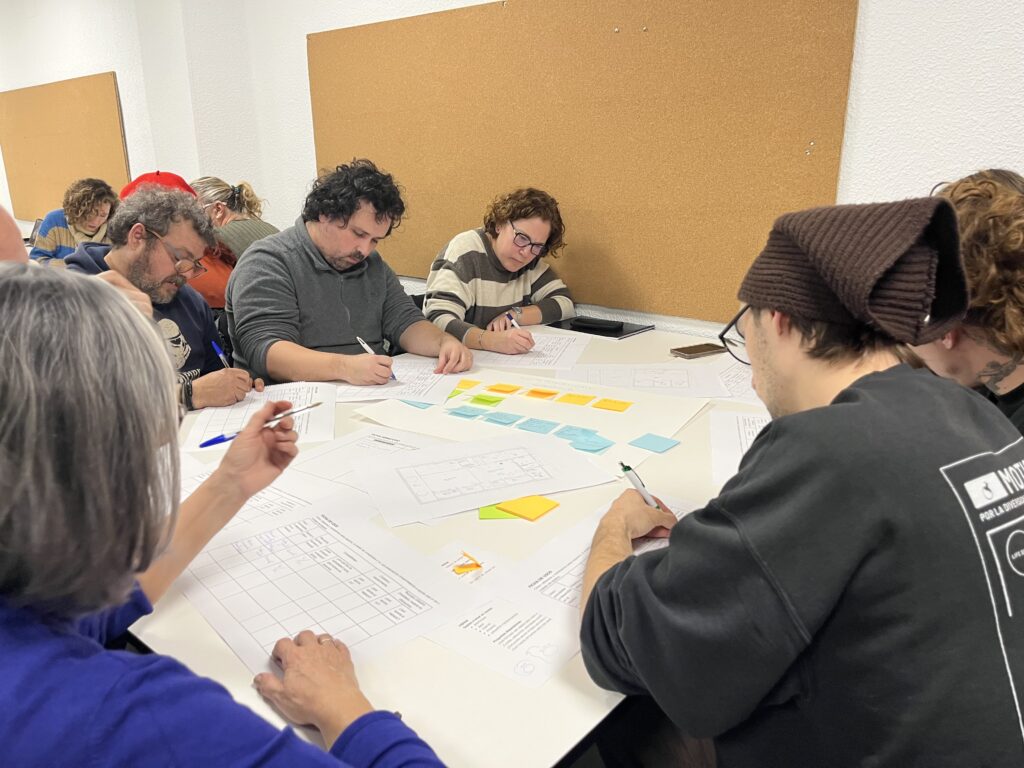
Throughout the week, the experts are conducting workshops and visiting different spaces and organizations in the municipality and the region, such as the Children’s Forest, the Limne Foundation, the Nature Interpretation Center of Quart de Poblet, the Association for Organic Farming L’Animeta, the Youth Center La Cebollera, the Municipal Council for Children and Adolescents, as well as the Civic Movement Foundation and the Horta Sud Foundation itself.
The URBACT program, funded by the European Regional Development Fund (ERDF), focuses on the sustainable development of European cities and promotes the creation of cooperation networks to strengthen municipalism, improve democratic quality, and encourage citizen involvement in public policy.
Other news of interest
Join the ‘Salvem las Fotos’ volunteer initiative to help preserve the collective memory and heritage of l’Horta Sur
[…]