Construction of the community space moves forward with a new participatory workshop involving 30 associations
Fifty associations from different fields across l’Horta Sud take part in the participatory process
The project aims to consolidate a strong network of associations and organisations that share knowledge, resources and experiences
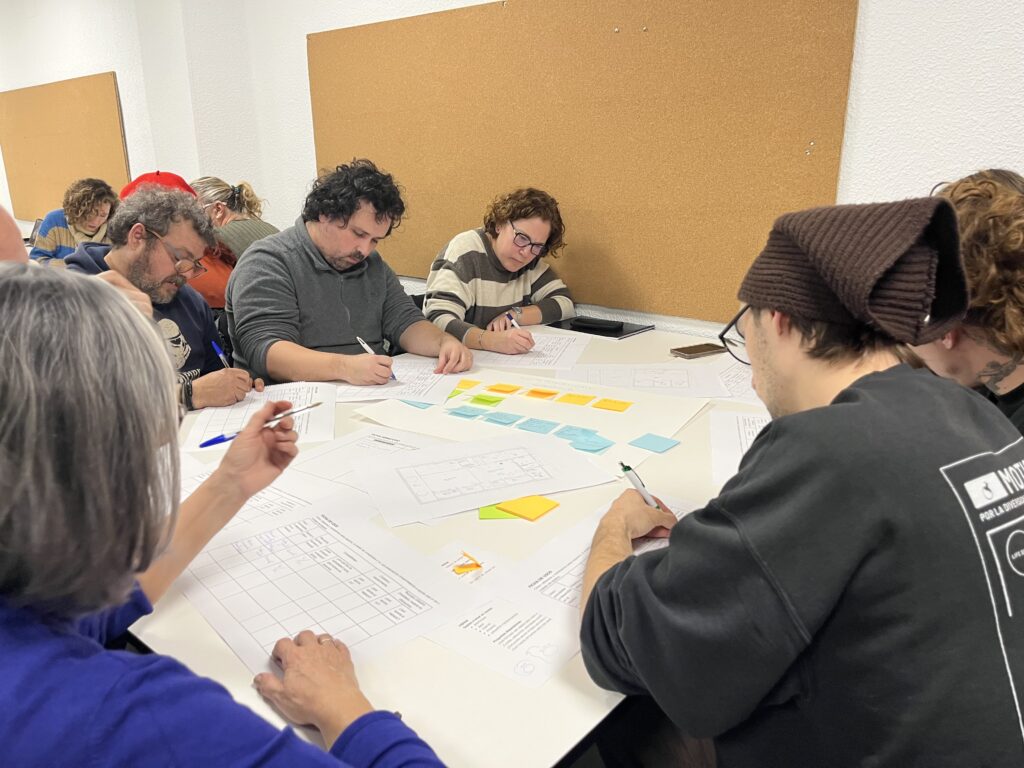
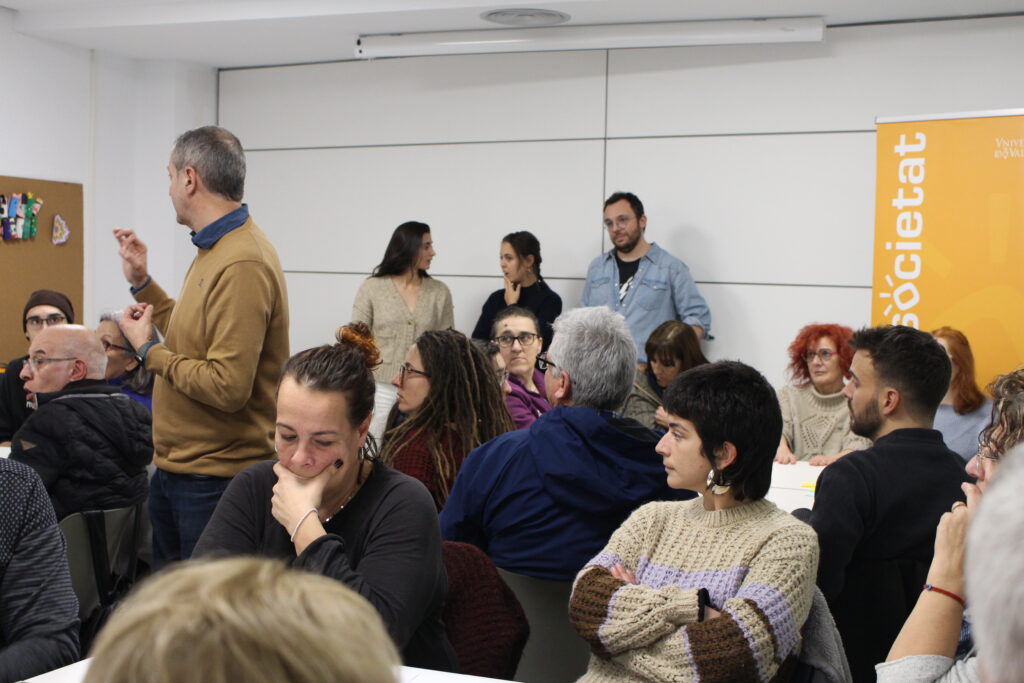
28 January 2026 – More than forty people from nearly thirty associations in l’Horta Sud took part in a new workshop to continue defining the future community space located in Benetússer. This meeting forms part of a collective process that goes far beyond the rehabilitation of a building and aims to build community, strengthen bonds and dignify the associative fabric.
This second participatory workshop builds on the first meeting held last July, during which ideas were gathered regarding the uses, activities and needs of the space. On this occasion, the session focused on sustainability, management and shared uses, delving deeper into how to make the project useful, vibrant and future-oriented.
Across the two workshops, nearly fifty associations from the region have taken part, representing diverse categories such as neighbourhood, cultural, sports, environmental or functional diversity organisations, reinforcing the project’s transversal and inclusive approach. In addition, seven of these associations have been involved in both workshops, thus consolidating a process based on commitment and shared responsibility.
“The workshop was very enriching and productive. Associations are highly engaged because they understand that this is a shared project,” highlighted Julio Huerta, director of the Fundació Horta Sud. “We have normalised situations that are not normal, and this project is an opportunity to create a dignified space, commensurate with the fundamental role played by the associative fabric,” he added.
Some of the issues addressed during this latest workshop included how to ensure the economic sustainability of the space without losing its community character, which formulas are viable to cover expenses, how to organise the use of the space fairly so that it works for all associations, and how to coordinate day-to-day operations to guarantee long-term viability and sustainability.
The two sessions were facilitated by the team from Arquitectura without Borders, Quatorze, Enpeu and Quidam, organisations collaborating in the development of the Asertos neighbourhood community regeneration programme, which includes architect and public health specialist Daniel Millor Vela, winner of the 2024 Princess of Girona Social Award.
The community space
At present, the space is in an initial demolition phase prior to its rehabilitation. The building, a former nightclub that had already been abandoned before the DANA, has been acquired by the Fundació Horta Sud in collaboration with the Princess of Girona Foundation.
Beyond the physical space, the project aims to consolidate a strong network of associations and organisations that share knowledge, resources and experiences, strengthening mutual support ties and improving the community’s capacity to respond.
Within this framework, the project takes the Resilience Hubs model as a reference—community spaces that emerge from the social fabric itself and are built based on the real needs of the people and groups who use them. The space is conceived with a long-term perspective, with the aim of ensuring its future projection and continuity as a useful and vibrant space for the associative fabric.
Furthermore, the initiative is built on a logic of collective responsibility, in which the Foundation acts as a driving force but not as the sole agent.
Other news of interest
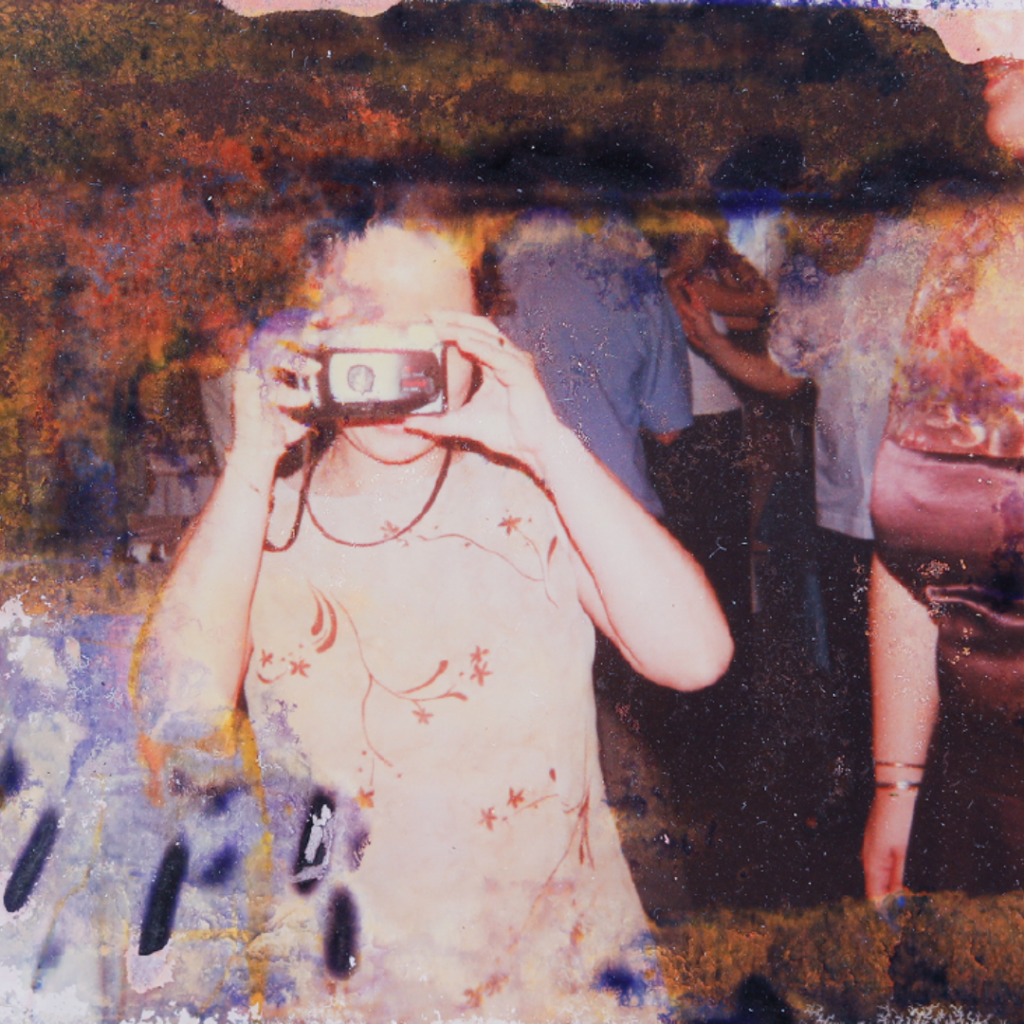
Join the ‘Salvem las Fotos’ volunteer initiative to help preserve the collective memory and heritage of l’Horta Sur
[…]